

All hail the human made
In a world where our social feeds are filled with lengthy captions that don’t really say anything (but the now infamous em dash is ubiquitous), graphics and images lack relatability as they’re mostly free from human intervention, and always-on chatbots replace conversations with a real person… It seems people have had enough.
There’s an opposition to AI bubbling underneath the surface, and the rise of AI slop has us yearning for more meaning. But not only that. As the tech has evolved, costs to the end user have risen, companies are rolling back their commitments as the pay-per-token model is not as effective as anticipated, and data privacy is becoming a very real concern.
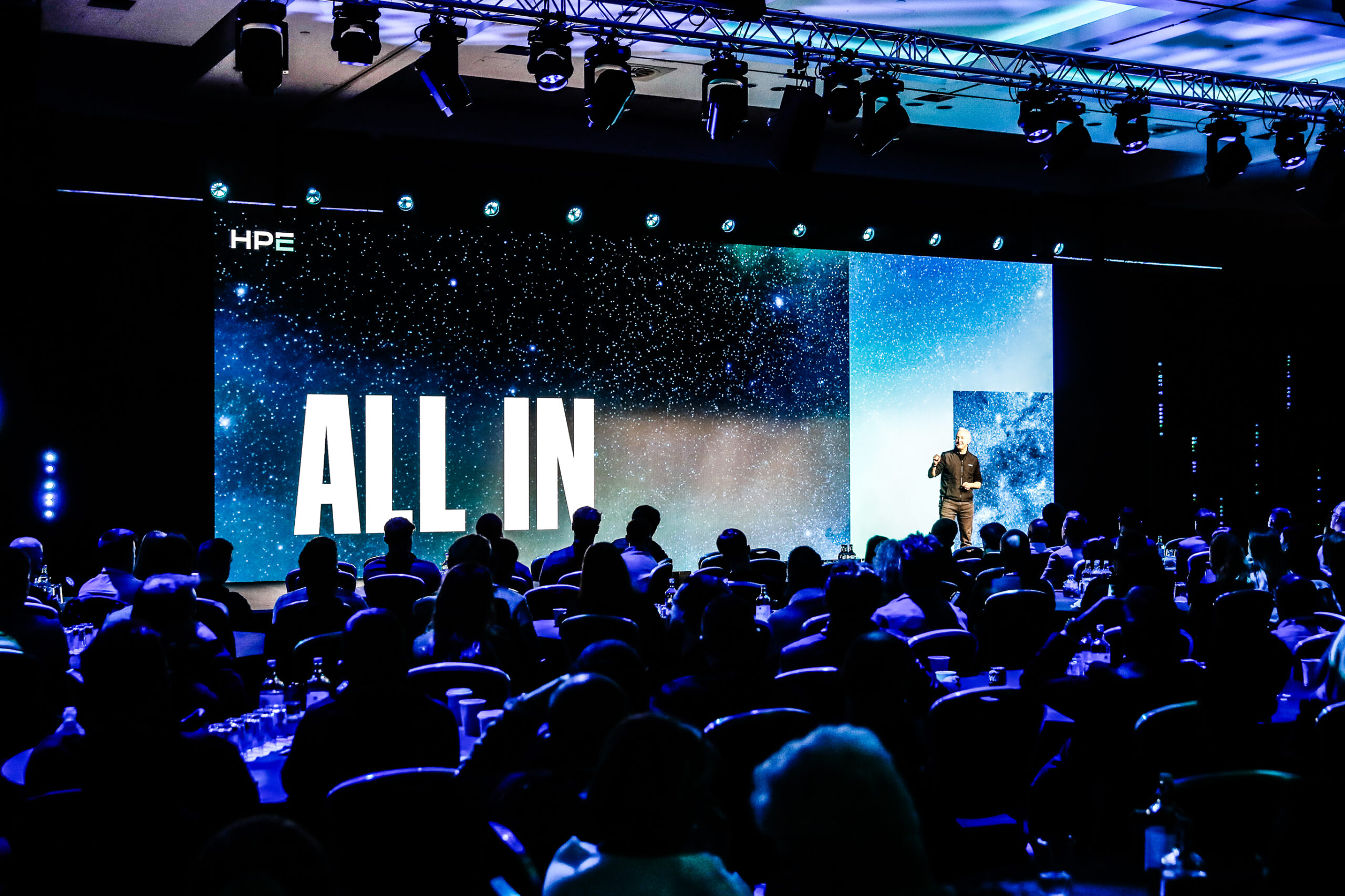
Looking ahead, all of these oppositions will gain further momentum, and the desire for the real and raw will produce an uptick in connected live experiences, whether they be face-to-face, hybrid or virtual.
LinkedIn has introduced tools to recognise and limit the reach of AI slop and reward authenticity. In May Laura Lorenzetti, VP and Executive Editor, LinkedIn Global Editorial noted: “In our initial testing, we’re correctly identifying generic content 94% of the time.”
Re-thinking the agency edge
While also AI related, this prediction leans more towards the role of the agency in this constantly evolving mix.
More than ever, brands strive to be ahead of the game, and they want their audiences to see them as leading the way. In turn, agencies must be owning the AI conversation, staying on top of the latest developments, providing the tool recommendations, and baking in best practices to ensure organisations don’t fall victim to the dreaded slop effect.
Because if they’re not, what value are agencies really adding? Clients look beyond their in-house teams because they seek something different, such as a fresh perspective or expertise in a specific area.
If they’re not able to find that, or they’re pioneering with the tech rather than the other way around, agencies will struggle to survive in the very immediate future.
Non-linear career paths emerge
Offices have been embracing elements of the home, as well as cutting-edge studios as employers aim to get staff excited about working in these spaces, and while this practice will continue as hybrid and full-time office working remains, a shift is emerging.
There’s less of a focus on working “up the ladder” in the traditional sense, and more emphasis on doing work that brings people joy. This might mean some senior leaders are moving back into more hands-on roles as they aim to focus on one area and do it well, small business owners are selling up as they long for the camaraderie that comes with working as part of a team, and others are taking pay cuts as they opt for more flexible employment arrangements where they can thrive in both their work and personal lives.
It’s a stark reminder that culture is a priority for candidates, and companies who take this seriously, listen to employees, and personalise their experiences are the ones that will flourish, particularly as millennials and Gen Zs come to make up more and more of the workforce.
According to Deloitte research a mere 6% of Gen Zs and millennials say that achieving a leadership position is their primary career goal.
Lead times get a new look
Project lead times have been reducing for several years now, and yet in recent months, we’ve noticed a change in the air. Brands are locking jobs in earlier than usual, renewing annual contracts further in advance, and some RFP processes are spanning over a year.
Recent Bellwether figures that reveal a rise in marketing budgets speak to this, as clients definitely seem more financially prepared. On the flipside, their briefs are still lacking that key detail.
All of this brings us back to the power of time. Allowing agencies more time to ideate, instead of gatekeeping information for as long as possible, leads to better creative, a story-led approach that cuts through, and an array of cost savings as we lock in talent, venues and more with ample notice.
We therefore see a new wave of brand-company relationships emerging: one based on genuine partnership versus one-off transactions, and it’s those who embrace the model that will win big this quarter and beyond.
Lead time averages for our clients’ UK-based events have increased from three to five months as at June 2026 when compared to May 2024.