


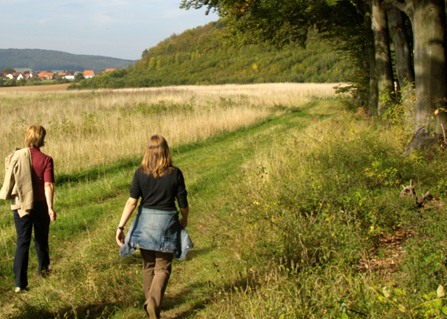
In today’s fast-paced world, carving out moments for genuine connection and mental clarity can be challenging. Yet, the simple act of walking offers profound benefits for our mental health and interpersonal relationships. Hospitality Action’s Walk for Wellbeing initiative harnesses this powerful tool, encouraging individuals in the hospitality industry to stride towards better mental health.
A History of Healing on the Move
The connection between walking and therapy isn’t new. In 1910, Sigmund Freud took composer Gustav Mahler on a four-hour walk through the streets of Leiden in the Netherlands, in which Mahler opened up about personal struggles, showing how movement and nature can create emotional clarity. Decades later, researcher Roger Ulrich found that hospital patients with views of trees and greenery healed faster, highlighting the mental health benefits of the natural world.
This kind of research has helped shape a growing field called ecopsychology, which looks at how our mental wellbeing is tied to the natural world around us. At the heart of it is the idea of biophilia—our connection to the environment. Ultimately, when we lose that connection, it can increase stress and impact our mental health.
That’s why initiatives like Walk for Wellbeing are so impactful. It’s not just a nice stroll—it’s a chance to reset, clear our minds, and reconnect with ourselves and others.
The Therapeutic Rhythm of Walking
Walking can be a catalyst for full mental rejuvenation; Engaging in regular walks has been shown to significantly reduce symptoms of depression and anxiety. A recent survey of 96,000 adults via the JAMA Network Open found that individuals who walked at least 7,000 steps daily experienced a 31% reduction in depression risk compared to those who walked less.
But the benefits aren’t solely tied to step counts. The act of walking stimulates the release of endorphins—our body’s natural mood lifters—and enhances cerebral blood flow, promoting better emotional regulation and cognitive function.
Conversations in Motion: The Power of Walk-and-Talk
Traditional face-to-face therapy can sometimes feel intense, especially when you’re opening up about something deeply personal. Sitting across from someone in a quiet room, with the pressure to fill every silence, can feel a bit too formal or even intimidating. That’s where walk-and-talk therapy comes in. By taking therapy outdoors and walking side by side, the whole dynamic changes. It feels more relaxed, more human, and often, more effective.
This approach is now being used within the NHS as part of their Talking Therapies programme, and it’s showing real promise. Walking alongside a therapist, not having to maintain constant eye contact, helps some people feel more comfortable and able to speak freely. As one NHS patient described it: “It felt less formal and, in a way, there was less pressure on me… I think perhaps it’s because you’re not sitting in an office staring at somebody but walking along beside them.”
Sean Wheeler, People & Culture Consultant & Chair of Walk for Wellbeing, comments:”There is something special about walking and talking. Being outdoors makes things more relaxed, informal, and open. It’s the perfect setting for real two-way conversations. That’s exactly what Walk for Wellbeing is all about. So why not join us and sign up this year?”
Nature’s Role in Mental Wellbeing
It’s not just the relaxed nature of a conversational walk that helps—it’s also the environment. Being outdoors in nature offers what researchers call “soft fascinations”—things like birdsong, rustling leaves, or shifting clouds. These gentle, background stimuli help people stay present without feeling overwhelmed. It’s a stark contrast to the constant focus and mental strain we deal with in work or city life.
Therapists have found that this setting can also suit people who don’t connect with more structured or goal-driven approaches like CBT. Instead, walking outdoors supports a gentler, more reflective kind of conversation. As therapist and author David Brazier puts it, “When we go outside… we both experience the same landscape and respond to it.” That shared experience can create a sense of togetherness—client and therapist working side by side, literally and emotionally.
Neuroscientist Shane O’Mara echoes the benefits of walking and talking in his book In Praise of Walking, emphasising how walking stimulates our bodies and minds, facilitating deeper conversations, “Walking moves us forward in more ways than one; it awakens the senses and stimulates the imagination. Although it arises from our deep, evolutionary past, it is our future too: for walking will do you all the good that you now know it does.”
Joining the Movement
Hospitality Action’s Walk for Wellbeing this October isn’t just a call to increase our step counts; it’s an invitation to engage in meaningful conversations, embrace the therapeutic effects of nature, and prioritise our mental health. By participating, you’re not only supporting the hospitality industry across the UK but also taking proactive steps toward personal wellbeing. Engaging in conversation with others along the way could make a lasting impact on their lives.
So, lace up your walking shoes, find a companion, and let each step guide you towards making deeper connections.
More information about Walk for Wellbeing can be found here.